Entertainment
Why Obsession Proves a Great Story Will Always Beat a Big Budget

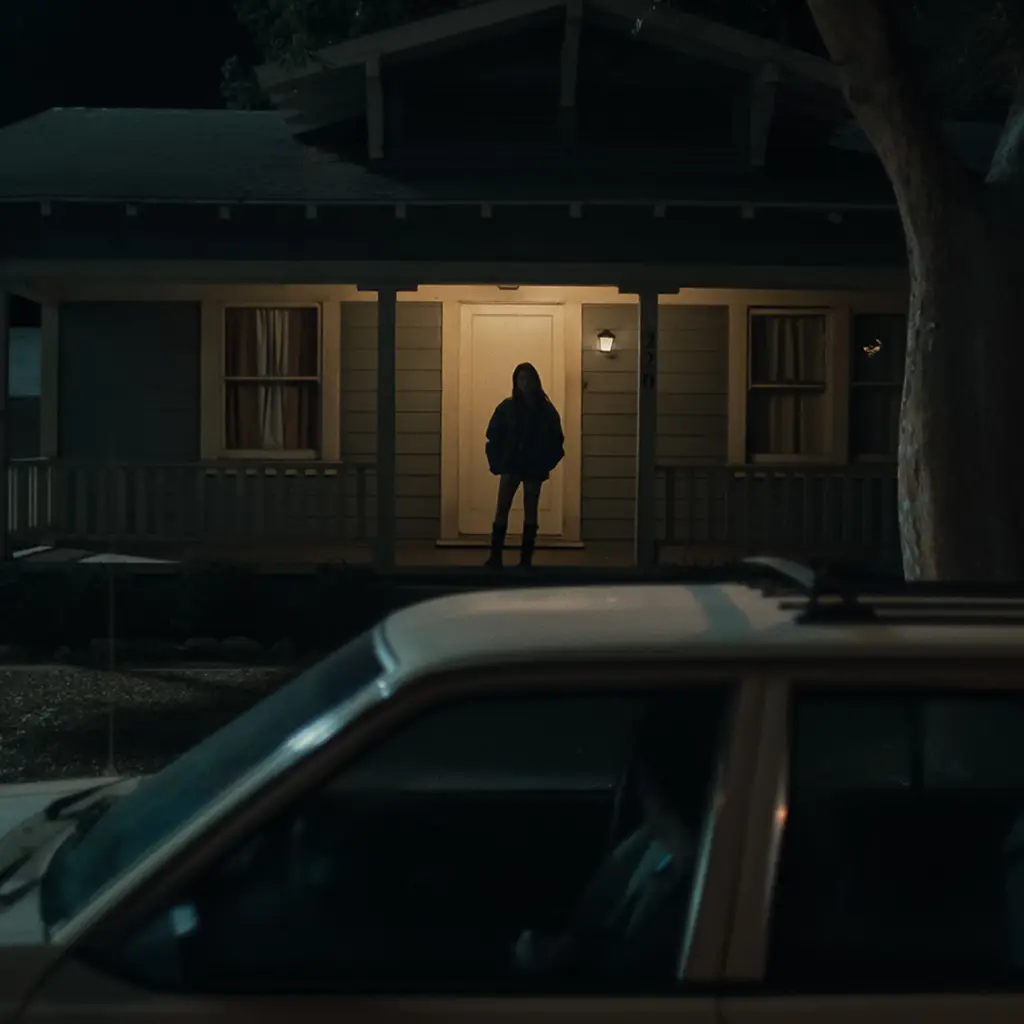
Hollywood has spent the better part of the last decade convincing audiences that bigger always means better. Bigger budgets. Bigger visual effects. Bigger marketing campaigns. Bigger stars. Yet year after year, some of the most expensive productions imaginable come and go without leaving much of an impression. Meanwhile, a smaller project with a compelling story finds its audience and refuses to let go.
That’s exactly what Obsession reminds us.
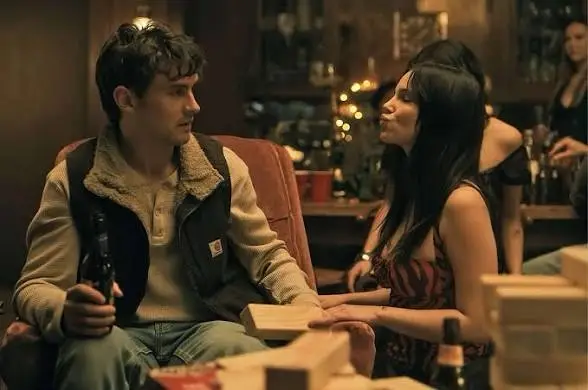
The film doesn’t rely on billion-dollar spectacle or nonstop CGI to keep your attention. Instead, it does something that’s become surprisingly rare—it trusts its story. Every scene feels like it’s building toward something. Every conversation matters. The tension doesn’t come from explosions or elaborate action sequences; it comes from the characters, their decisions, and the consequences that follow.
That’s what separates memorable films from expensive ones.
A great story creates investment. It makes you care about the people on screen. It gives every twist emotional weight because you’ve spent time understanding what’s at stake. When that foundation is there, you don’t need constant distractions to keep an audience engaged. The writing does the heavy lifting.
Some of the greatest films ever made weren’t powered by unlimited budgets. The Blair Witch Project became a cultural phenomenon on a shoestring budget because people couldn’t stop talking about its concept. Rocky didn’t become an American classic because of flashy production value—it became legendary because audiences believed in an underdog who refused to quit. More recently, Everything Everywhere All at Once proved that creativity, heart, and originality could outperform countless blockbuster formulas. Even Get Out completely shifted the horror genre without needing superhero-level spending.
On the flip side, we’ve watched countless massive productions disappear almost as quickly as they arrived. Studios can spend $200 million on visual effects, hire A-list actors, and flood social media with advertisements, but none of that matters if audiences don’t connect with the story. You might remember the opening weekend, but you won’t remember the movie.
That’s where Obsession succeeds.
It understands that suspense isn’t about how much money you spend—it’s about how effectively you make people anticipate what’s coming next. Every meaningful glance, every uncomfortable silence, every reveal carries weight because the film earns those moments instead of forcing them.
It’s the same reason audiences still revisit films made decades ago. Nobody goes back to The Godfather because it was expensive. People don’t rewatch Se7en because it had groundbreaking visual effects. The Silence of the Lambs wasn’t built on spectacle either. Those films endure because their stories are airtight, their characters feel real, and every scene serves a purpose. The budget may age, but great writing doesn’t.
The entertainment industry sometimes forgets that audiences are smarter than they’re given credit for. People don’t buy tickets because something costs more to make. They show up because they want to feel something. They want to be surprised. They want to think about a film long after the credits roll. No amount of CGI can manufacture that feeling if the script isn’t there.
That’s why Obsession stands out. It doesn’t try to overwhelm viewers with excess. It focuses on what has always mattered most: compelling characters, meaningful conflict, and a story that keeps pulling you deeper with every scene.
At the end of the day, budgets can create spectacle, but they can’t create substance. A bigger paycheck doesn’t automatically produce better dialogue. More visual effects don’t guarantee stronger performances. And spending another $100 million doesn’t suddenly make audiences care.
Storytelling has always been the most valuable special effect in cinema.
Obsession is another reminder that when the writing is sharp and the performances are believable, audiences don’t ask how much a movie cost to make. They simply remember how it made them feel. And that’s something money has never been able to buy.



Library of Congress Monthly Family Days Continue Through December 2026

Former Forest Park Teacher, Coach Acquitted of Indecent Exposure Charges

Iron Maiden and Megadeth played to a sold-out crowd at Jiffy Lube Live in Bristow

HBCU Week NOW Officially Launched Nationwide In Search For The Next Generation of HBCU Storytellers

Mike D Brings Beastie Boys Classics and a New Chapter to a Sold-Out 9:30 Club

World’s Largest Black Music Fest “AFRO+” Hits DMV, Expecting Over 120K Festival Goers.

Chichi Goon Puts His Dreams on Display With “I Have A Dream”

Psalm + Petal Co.: Turning Grief, Faith and Beauty Into Meaningful Floral Experiences

Devin McCoy: Building a Media Movement in the DMV With The Floaters

Monumental Sports Network and DAZN partnered to stream Capitals, Wizards, and Mystics games via Monumental+ on the DAZN platform.

Ten Entrepreneurs From The DMV To Look Out For

Lanterns Season 1 Preview: When Green Lantern Meets True Detective

Keeping Hopes Alive Is Redefining Mental Health and Healing in Baltimore

Keys to Wealth Fest Brings Financial Literacy, Entrepreneurship and Community Together in DC

Josh Christina and Charlie Berry III Gear UP To Release A New Song Together “Rock Revival”

April + VISTA Bring Traditional Noise to DC for Songbyrd Performance

Founding Farmers Restaurant Group Brings Texas-Inspired Barbecue to the DMV with Chef Joe’s New Summer Menu

After Surviving Paralysis, Shamila Beslow Is Premiering Her Most Personal Film Yet

How Paradise and Silo Are Very Similar But Different Shows

Respect The Tech Is Building The Next Generation Of IT Professionals Through Skill, Community, And Innovation
After Surviving Paralysis, Shamila Beslow Is Premiering Her Most Personal Film Yet
Founding Farmers Restaurant Group Brings Texas-Inspired Barbecue to the DMV with Chef Joe’s New Summer Menu
April + VISTA Bring Traditional Noise to DC for Songbyrd Performance
How Paradise and Silo Are Very Similar But Different Shows
Keys to Wealth Fest Brings Financial Literacy, Entrepreneurship and Community Together in DC
Josh Christina and Charlie Berry III Gear UP To Release A New Song Together “Rock Revival”
Lanterns Season 1 Preview: When Green Lantern Meets True Detective
Keeping Hopes Alive Is Redefining Mental Health and Healing in Baltimore
Ten Entrepreneurs From The DMV To Look Out For
Iron Maiden and Megadeth played to a sold-out crowd at Jiffy Lube Live in Bristow
Psalm + Petal Co.: Turning Grief, Faith and Beauty Into Meaningful Floral Experiences
Devin McCoy: Building a Media Movement in the DMV With The Floaters
Monumental Sports Network and DAZN partnered to stream Capitals, Wizards, and Mystics games via Monumental+ on the DAZN platform.
Mike D Brings Beastie Boys Classics and a New Chapter to a Sold-Out 9:30 Club
HBCU Week NOW Officially Launched Nationwide In Search For The Next Generation of HBCU Storytellers
Chichi Goon Puts His Dreams on Display With “I Have A Dream”
World’s Largest Black Music Fest “AFRO+” Hits DMV, Expecting Over 120K Festival Goers.
Former Forest Park Teacher, Coach Acquitted of Indecent Exposure Charges
Library of Congress Monthly Family Days Continue Through December 2026
-

 Breaking11 months ago
Brinks Driver Attacked, $500K Stolen Outside Navy Federal Credit Union in Clinton
-

 Community10 months ago
The Maine Announces 2026 Headline Tour With April 19th Stop at DC’s 9:30 Club
-

 Community11 months ago
Netflix To Transform D.C.’s Historic Woodies Building Into A Creative Hub.
-
 Maryland News10 months ago
State of Maryland Faces A $1.4 Billion Deficit Heading Into 2026