
Entertainment
How Paradise and Silo Are Very Similar But Different Shows

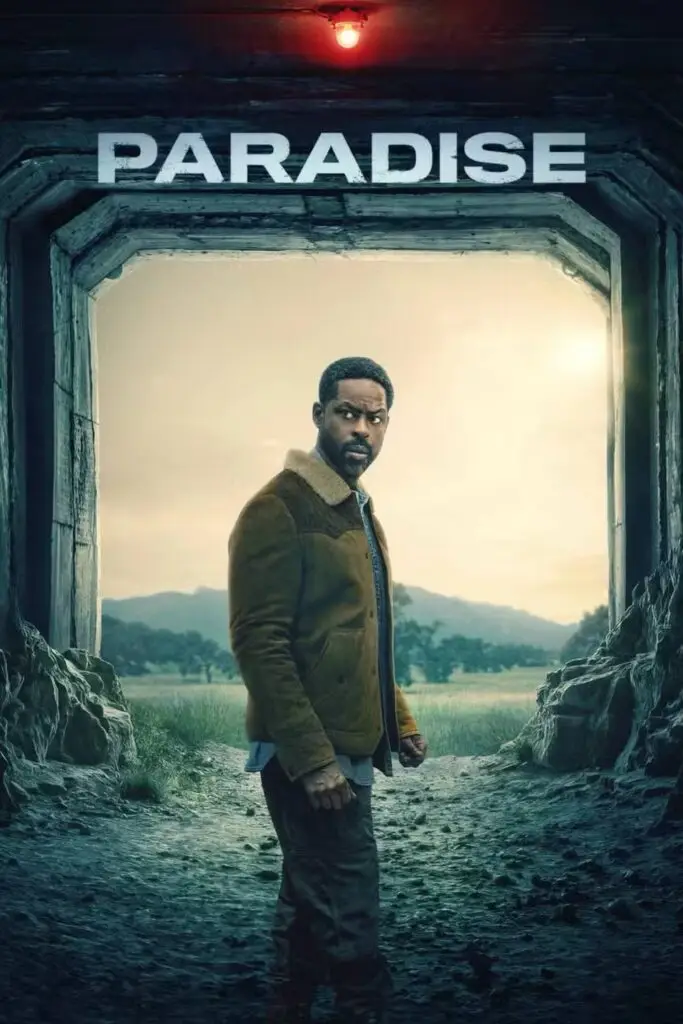
There’s a fine line between inspiration and imitation. Every so often, two television series arrive that seem like they’re telling the same story, only to reveal they’re taking audiences on completely different journeys. That’s exactly the case with Apple TV+‘s Silo and Hulu’s Paradise.
At first glance, the similarities are impossible to ignore. A society built on secrets. Leaders controlling information. Characters beginning to question everything they’ve ever believed. A mystery that slowly unravels into something much bigger than anyone expected.
But once the layers start peeling back, the two series prove they have completely different identities. They may share the same DNA, but they tell their stories in remarkably different ways—and that’s exactly why both deserve recognition as two of television’s smartest dramas.
The Mystery Is What Hooks You
The best mystery shows don’t throw dozens of questions at viewers. They introduce one compelling question and allow everything else to grow from it.
In Silo, the mystery is immediate.
Why can’t anyone leave?
That single question drives nearly every decision throughout the series. As viewers learn more about the silo and the people living inside it, every answer creates even bigger questions.
Paradise takes a different approach.
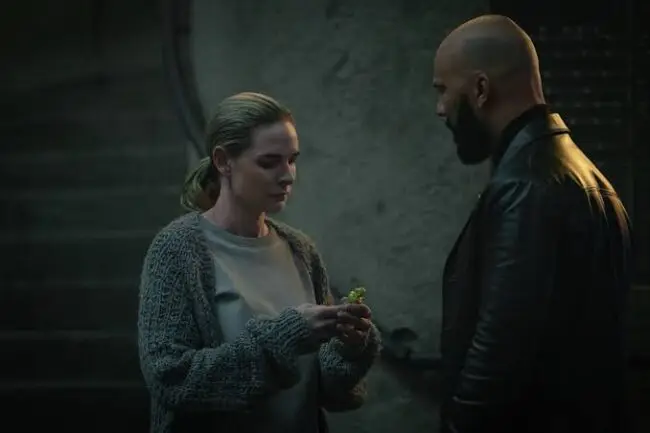
Rather than asking viewers to question a location, it asks them to question reality itself. What happened to the world? Who’s telling the truth? Can anyone really be trusted?
Both series thrive on mystery, but they unfold that mystery in completely different ways.
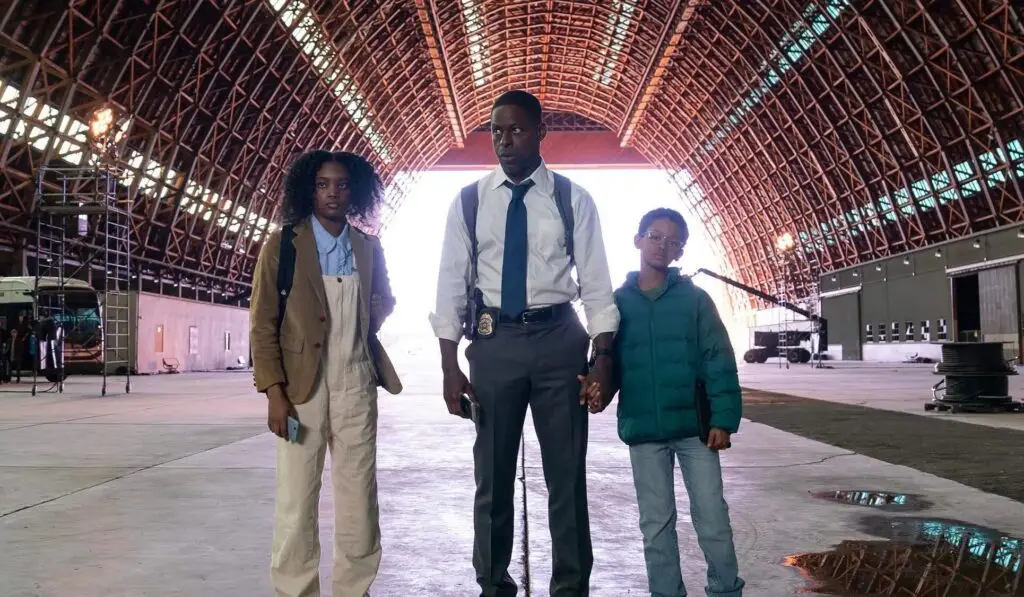
Silo Builds Its World Brick by Brick
One of Silo’s greatest strengths is its patience.
The series refuses to rush through its biggest reveals. Instead, every conversation, every hallway, every hidden room feels like another piece of a massive puzzle.
Its world feels lived in.
Its rules feel believable.
Its society feels authentic.
Rather than relying on constant action, Silo creates suspense through discovery. Every episode rewards viewers who pay attention to the smallest details.
It’s science fiction that trusts its audience.
Paradise Thrives on Perspective
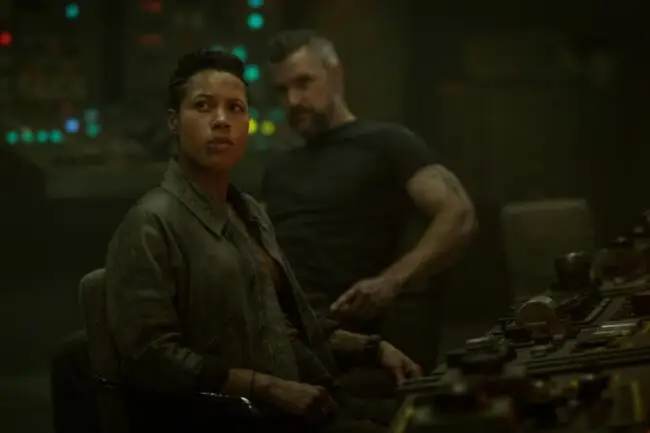
Where Silo expands its world, Paradise constantly changes the audience’s understanding of it.
Characters who seem trustworthy suddenly become suspicious.
Villains become more complicated.
Heroes become flawed.
Events that once appeared straightforward suddenly carry entirely different meanings after a single revelation.
The show isn’t interested in shocking audiences for the sake of a twist. Every surprise feels earned because it’s rooted in character and motivation rather than cheap misdirection.
Information Is the Most Dangerous Weapon
The biggest similarity between these series isn’t that they exist after civilization as we know it.
It’s that both understand one universal truth.
Information is power.
Neither show is really about technology or survival.
They’re about who controls the narrative.
Who decides what people know.
Who decides what people never learn.
Whether it’s through government, leadership, or carefully constructed lies, both stories demonstrate that controlling information is often more powerful than controlling people through force.
That’s what makes both series feel surprisingly relevant.
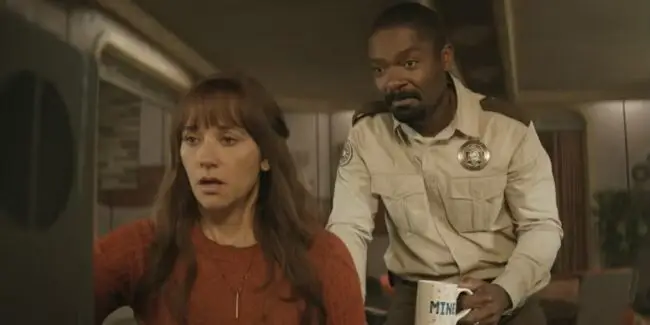
Two Completely Different Worlds
Despite sharing similar themes, the settings couldn’t be more different.
Silo feels claustrophobic.
The towering underground structure becomes a character itself. Every staircase, corridor, and mechanical room reinforces the feeling that there’s no escape.
Viewers experience the same confinement as the people living inside it.
Paradise, on the other hand, creates tension through uncertainty rather than physical confinement.
Its world appears more open, but emotionally it’s every bit as restrictive. The real prison isn’t walls.
It’s secrets.
One series asks whether people can escape where they live.
The other asks whether they can escape what they’ve been led to believe.
Character Is What Makes Both Shows Great
Mysteries can attract viewers.
Characters keep them watching.
Both Silo and Paradise understand that the biggest revelations only matter if audiences care about the people uncovering them.
Neither show sacrifices character development for spectacle.
Every twist carries emotional weight because it directly affects relationships, loyalties, and personal beliefs.
That’s why both stories continue to resonate long after each episode ends.
Final Thoughts
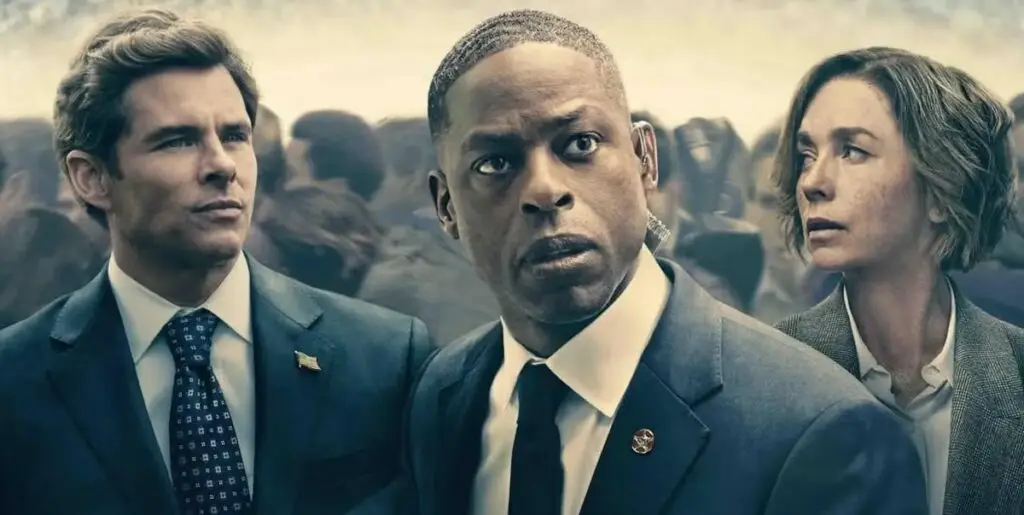
Comparisons between Silo and Paradise are inevitable, and honestly, they’re deserved. Both series explore hidden truths, manipulated societies, and the cost of blind trust.
But calling one a version of the other misses the point.
Silo is a deliberate, slow-burning science-fiction mystery that excels through world-building and discovery.
Paradise is a gripping political thriller that gradually reveals itself to be something far more ambitious than viewers initially expect.
They arrive at similar themes from completely different directions.
In an era where so many shows chase the same formulas, Silo and Paradise prove there’s more than one way to tell an unforgettable story. One builds suspense through the world it creates. The other builds suspense through the people living inside it.
Both remind audiences that the most dangerous thing in any society isn’t a weapon or a disaster.
It’s the truth—and who gets to control it.



Marcus “Polo” Pilgrim Is Building a Bigger Table for Prince George’s County

Library of Congress Monthly Family Days Continue Through December 2026

Former Forest Park Teacher, Coach Acquitted of Indecent Exposure Charges

Iron Maiden and Megadeth played to a sold-out crowd at Jiffy Lube Live in Bristow

HBCU Week NOW Officially Launched Nationwide In Search For The Next Generation of HBCU Storytellers

Mike D Brings Beastie Boys Classics and a New Chapter to a Sold-Out 9:30 Club

World’s Largest Black Music Fest “AFRO+” Hits DMV, Expecting Over 120K Festival Goers.

Chichi Goon Puts His Dreams on Display With “I Have A Dream”

Psalm + Petal Co.: Turning Grief, Faith and Beauty Into Meaningful Floral Experiences

Devin McCoy: Building a Media Movement in the DMV With The Floaters

Monumental Sports Network and DAZN partnered to stream Capitals, Wizards, and Mystics games via Monumental+ on the DAZN platform.

Ten Entrepreneurs From The DMV To Look Out For

Lanterns Season 1 Preview: When Green Lantern Meets True Detective

Keeping Hopes Alive Is Redefining Mental Health and Healing in Baltimore

Keys to Wealth Fest Brings Financial Literacy, Entrepreneurship and Community Together in DC

Josh Christina and Charlie Berry III Gear UP To Release A New Song Together “Rock Revival”

April + VISTA Bring Traditional Noise to DC for Songbyrd Performance

Founding Farmers Restaurant Group Brings Texas-Inspired Barbecue to the DMV with Chef Joe’s New Summer Menu

After Surviving Paralysis, Shamila Beslow Is Premiering Her Most Personal Film Yet

How Paradise and Silo Are Very Similar But Different Shows
Founding Farmers Restaurant Group Brings Texas-Inspired Barbecue to the DMV with Chef Joe’s New Summer Menu
After Surviving Paralysis, Shamila Beslow Is Premiering Her Most Personal Film Yet
April + VISTA Bring Traditional Noise to DC for Songbyrd Performance
Keys to Wealth Fest Brings Financial Literacy, Entrepreneurship and Community Together in DC
Josh Christina and Charlie Berry III Gear UP To Release A New Song Together “Rock Revival”
Lanterns Season 1 Preview: When Green Lantern Meets True Detective
Keeping Hopes Alive Is Redefining Mental Health and Healing in Baltimore
Ten Entrepreneurs From The DMV To Look Out For
Iron Maiden and Megadeth played to a sold-out crowd at Jiffy Lube Live in Bristow
Psalm + Petal Co.: Turning Grief, Faith and Beauty Into Meaningful Floral Experiences
Devin McCoy: Building a Media Movement in the DMV With The Floaters
Monumental Sports Network and DAZN partnered to stream Capitals, Wizards, and Mystics games via Monumental+ on the DAZN platform.
Mike D Brings Beastie Boys Classics and a New Chapter to a Sold-Out 9:30 Club
HBCU Week NOW Officially Launched Nationwide In Search For The Next Generation of HBCU Storytellers
Chichi Goon Puts His Dreams on Display With “I Have A Dream”
World’s Largest Black Music Fest “AFRO+” Hits DMV, Expecting Over 120K Festival Goers.
Former Forest Park Teacher, Coach Acquitted of Indecent Exposure Charges
Library of Congress Monthly Family Days Continue Through December 2026
Marcus “Polo” Pilgrim Is Building a Bigger Table for Prince George’s County
-

 Breaking11 months ago
Brinks Driver Attacked, $500K Stolen Outside Navy Federal Credit Union in Clinton
-

 Community10 months ago
The Maine Announces 2026 Headline Tour With April 19th Stop at DC’s 9:30 Club
-

 Community11 months ago
Netflix To Transform D.C.’s Historic Woodies Building Into A Creative Hub.
-
 Maryland News10 months ago
State of Maryland Faces A $1.4 Billion Deficit Heading Into 2026