Interviews
Rudolph “Woody” Woody Has Spent 20 Years Helping D.C. Residents Navigate Recovery, Mental Health, and Substance Use Challenges

Washington, D.C. is a city known for movement. Every day, conversations revolve around policy, elections, business, culture, and what comes next. Attention moves quickly here. Headlines come and go. Entire news cycles disappear within days. Yet underneath all of the movement exists another version of the city—one that receives far less visibility but holds just as much importance. It is a city built by social workers, counselors, case managers, therapists, outreach coordinators, and community leaders who spend their lives helping people navigate some of their hardest moments. Their work rarely makes headlines, but the impact of what they do can change generations.
For more than four decades, McClendon Center has existed as one of those quiet pillars in Washington. While many residents may never know its name, the organization has spent years serving individuals living with serious mental illness and co-occurring challenges throughout the District. Their mission has always centered around meeting people where they are and refusing to look away when life becomes complicated. It is deeply human work—often difficult, frequently emotional, and almost always unseen.
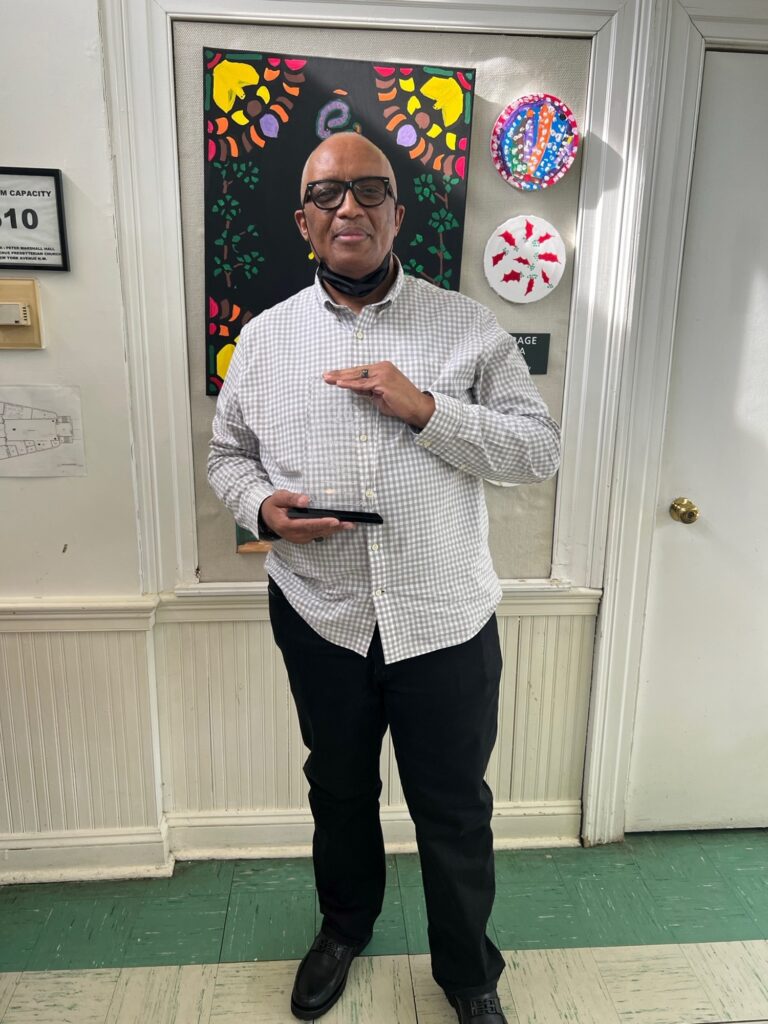
Among the people helping carry that mission forward is Rudolph Woody, known simply throughout McClendon Center and beyond as “Woody.” This September, Woody will celebrate twenty years at the organization, marking two decades of leadership as Substance Use Disorders Program Coordinator and Certified Addictions Counselor. In a field where burnout can come quickly and turnover is common, twenty years represents something larger than longevity. It represents dedication. It represents purpose. It represents someone deciding day after day, year after year, that the work still matters.
Within McClendon Center, Woody has become much more than a program coordinator. Colleagues describe him as an institution within an institution. Clients know him as someone direct, honest, and unwavering. Over the course of nearly forty years in the field, he has built a reputation for saying what people need to hear while simultaneously creating spaces where people feel understood. That combination is rare. Many people can offer structure. Others can offer compassion. Woody built a career balancing both.
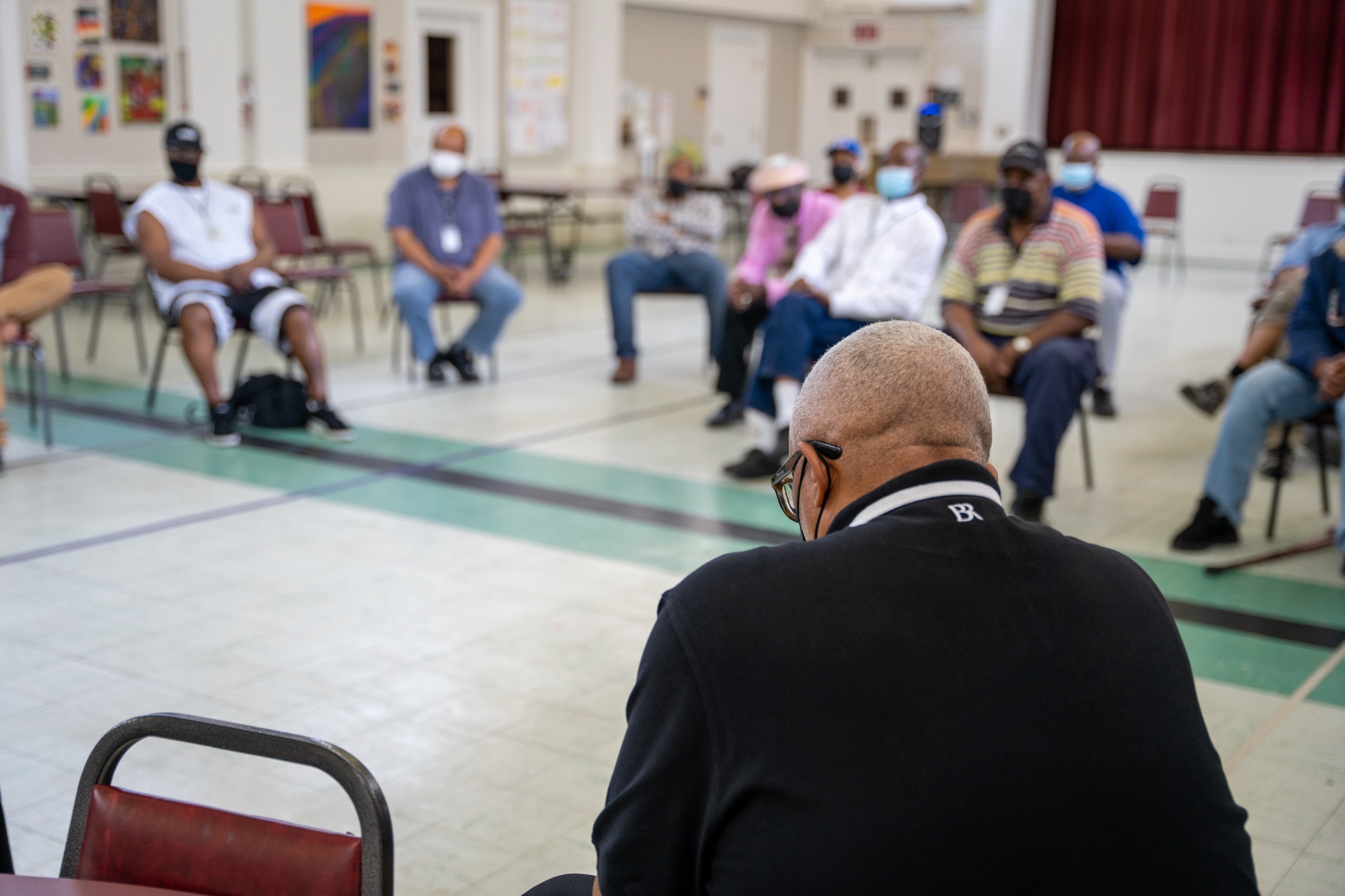
As Substance Use Disorders Program Coordinator, Woody works directly with individuals navigating substance use recovery and co-occurring mental health conditions. His role places him at the center of some of the most difficult and vulnerable moments in people’s lives. Recovery work extends far beyond treatment plans and paperwork. It involves helping people rebuild trust, establish stability, develop coping strategies, and imagine futures they may not have believed were possible. For many people entering treatment, recovery does not begin with certainty—it begins with survival.
What makes his story especially powerful is that his path into this profession was never part of some carefully designed life plan. He did not grow up saying he wanted to become a counselor. He did not map out a future in behavioral health or addiction services. Instead, like many of the people he eventually dedicated his life to helping, Woody arrived at this work through his own lived experiences.
Born and raised in Washington, D.C., Woody once worked in accounting. Life looked different then. But eventually substance use entered the picture, and over time things reached a point where help became necessary. Looking back now, Woody speaks about that chapter of his life with a level of honesty that immediately stands out. He does not reshape the story to sound cleaner or easier than it was. He does not pretend that one day he suddenly woke up determined to completely transform his life.
In fact, he openly says that when he first entered treatment, he wasn’t entirely sure he was ready. He knew something had to change, but certainty had not arrived yet. That level of transparency matters because many stories surrounding recovery are told as if transformation happens in one defining moment. Real life rarely works that way. Recovery often begins in uncertainty. Sometimes people do not seek help because they suddenly become hopeful. Sometimes they seek help because they become exhausted.
Through connections made by his sister, Woody entered an inpatient substance use program in Washington. Once there, something slowly began shifting. He remembers his mind becoming clearer. His perspective started changing. The fog began lifting. Eventually, people around him started recognizing strengths in him that he had not yet fully recognized in himself.
By the midpoint of treatment, Woody found himself helping with staff trainings and naturally stepping into leadership spaces. People around him kept saying the same thing:
“You’ve got it.”
“You’ve got the thing.”
At first, those words may have sounded simple, but they carried weight. Others could see an ability inside him before he fully understood it himself. By the time treatment ended, people encouraged him not to return to the life patterns that once surrounded him. They told him to build something new.
So he did.
What followed became a journey that eventually stretched across nearly four decades. Woody entered counseling work, attended classes at UDC, pursued certification and licensing, and slowly built a career rooted in helping people navigate recovery. Looking back now, he says something simple that explains everything:
“The work found me.”
It is difficult to overstate how much that statement reflects his approach. For Woody, this was never simply employment. This was purpose. This became a way of life.




Psalm + Petal Co.: Turning Grief, Faith and Beauty Into Meaningful Floral Experiences

Devin McCoy: Building a Media Movement in the DMV With The Floaters

Monumental Sports Network and DAZN partnered to stream Capitals, Wizards, and Mystics games via Monumental+ on the DAZN platform.

Ten Entrepreneurs From The DMV To Look Out For

Lanterns Season 1 Preview: When Green Lantern Meets True Detective

Keeping Hopes Alive Is Redefining Mental Health and Healing in Baltimore

Keys to Wealth Fest Brings Financial Literacy, Entrepreneurship and Community Together in DC

Josh Christina and Charlie Berry III Gear UP To Release A New Song Together “Rock Revival”

April + VISTA Bring Traditional Noise to DC for Songbyrd Performance

Founding Farmers Restaurant Group Brings Texas-Inspired Barbecue to the DMV with Chef Joe’s New Summer Menu

After Surviving Paralysis, Shamila Beslow Is Premiering Her Most Personal Film Yet

How Paradise and Silo Are Very Similar But Different Shows

Respect The Tech Is Building The Next Generation Of IT Professionals Through Skill, Community, And Innovation

Raising Kanan Season 5 Predictions: The Thomas Family Is Headed for an All-Out War

Why Obsession Proves a Great Story Will Always Beat a Big Budget

HBO’s House Of The Dragon Season 3 Is Peak Television So Far

Why His & Her Stands Above Today’s Crime Dramas

How Alvin “Testimony” Bowman Is Using Faith, Poetry, and Music to Transform Lives

Audy Is Bringing Authentic Hip-Hop Back Without Compromising Her Voice

C-Cubed Contracting’s Chris Fatogoma Is Building Baltimore’s Next Generation

23-Year-Old Driver Killed in High-Speed Crash Along Route 301 in Prince George’s County

Maryland Teen Sentenced To Life For Murdering Former Boss In Anne Arundel County

Popular DC Nightclub ‘The Park at 14th’ To Pay $243,350 For Workers’ Rights Violation

Folarin Balogun Will Miss The Round of 16 Against Belgium, After 2-0 Victory Over Bosnia-Herzegovina

63-Year-Old Man Dies Following Accidental Apartment Fire in Columbia, Maryland

Why Hit Series Raising Kanan Has the Best Acting in 50 Cent’s Power Universe
After Surviving Paralysis, Shamila Beslow Is Premiering Her Most Personal Film Yet
Why His & Her Stands Above Today’s Crime Dramas

Why Hit Netflix Series ‘I Will Find You’ Shows the True Art of the Plot Twist

The Folk Tale That May Explain FROM

Coach Kay Thompson Is Helping Thousands Build Wealth Through Digital Entrepreneurship
How Alvin “Testimony” Bowman Is Using Faith, Poetry, and Music to Transform Lives

Nemesis Season 2 Predictions: Why the Next Chapter Could Be Even More Ruthless Than Season 1
Raising Kanan Season 5 Predictions: The Thomas Family Is Headed for an All-Out War
C-Cubed Contracting’s Chris Fatogoma Is Building Baltimore’s Next Generation
Respect The Tech Is Building The Next Generation Of IT Professionals Through Skill, Community, And Innovation
Founding Farmers Restaurant Group Brings Texas-Inspired Barbecue to the DMV with Chef Joe’s New Summer Menu

Fight Back & Win Summit Equips Maryland Democrats for the 2026 General Election
HBO’s House Of The Dragon Season 3 Is Peak Television So Far
Audy Is Bringing Authentic Hip-Hop Back Without Compromising Her Voice
-

 Breaking10 months ago
Brinks Driver Attacked, $500K Stolen Outside Navy Federal Credit Union in Clinton
-

 Community9 months ago
The Maine Announces 2026 Headline Tour With April 19th Stop at DC’s 9:30 Club
-

 Community10 months ago
Netflix To Transform D.C.’s Historic Woodies Building Into A Creative Hub.
-

 Lifestyle11 months ago
Twenty DMV Entrepreneurs, Who Deserve More Attention!